
Complete Build Guide
DIY Bass Trap Acoustic Panels
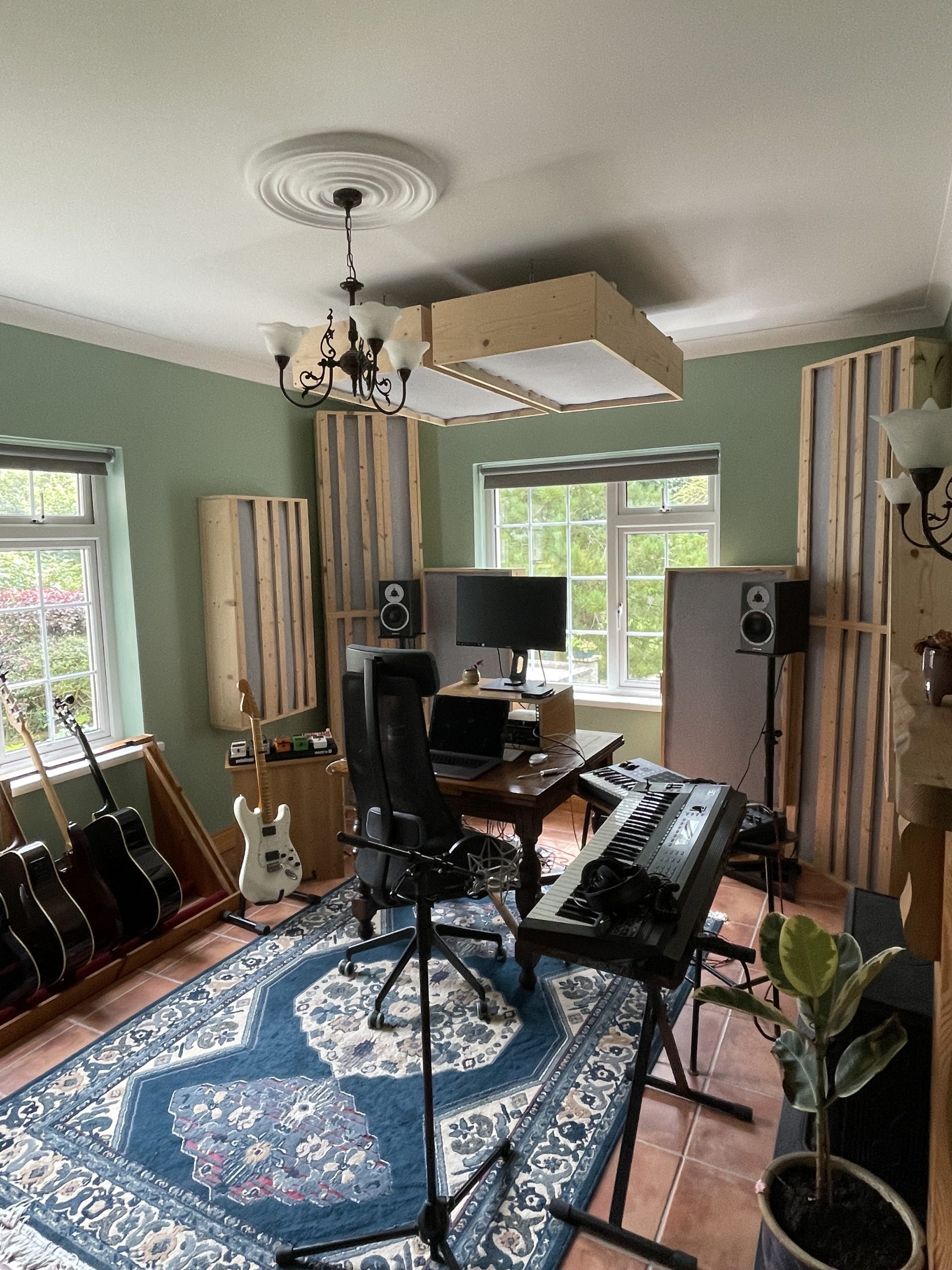
Creating the perfect listening environment in your home studio doesn’t have to come at the expense of the environment. With the right approach, you can build high-performance bass trap acoustic panels using sustainable, natural materials that reduce your carbon footprint while dramatically improving your room’s sound quality. This new DIY Bass Trap Acoustic Panels guide from Mude Studio will walk you through the basics, including the materials you’ll need, the benefits of natural insulation, and some essential building tips. Let’s dive in!
Why Use Eco-Friendly Bass Trap Acoustic Panels?
When treating a room for better acoustics, many traditional options rely on synthetic materials like fiberglass and foam, which can be harsh on both the environment and your health. In contrast, eco-friendly bass trap acoustic panels use renewable, breathable, and often recyclable materials, reducing their environmental impact. Natural fibers like hemp, jute, and recycled cotton offer excellent sound absorption and are free from harmful chemicals, making them safer for both you and the planet.
Reduced Carbon Footprint: Made from renewable resources like hemp and recycled cotton.
Healthier Air Quality: Free from irritating glass fibers and synthetic resins.
Durability and Performance: Naturally dense and breathable fibers for superior low-frequency absorption.
DIY Build Guide Overview
Building your own bass trap acoustic panels is surprisingly straightforward, and the cost savings can be significant. Here’s a look at the contents of the guide:
- Introduction
- Understanding Room Acoustics
- Acoustic Panel Design
- Materials List
- Step-by-Step Build Guide
- Placement & Room Setup
- Optional Add-ons
- Conclusion
Content of the guide explained
The DIY Bass Trap Acoustic Panels – Complete Build Guide covers every essential step to help you improve your studio’s sound quality in a simple step by step process.
It starts with an Introduction to the importance of acoustic treatment, followed by some background on the importance of Understanding Room Acoustics to help you grasp the basics of sound behavior and how bass frequencies interact with your space.The Acoustic Panel Design section explores different shapes and material options, allowing you to tailor your panels to your specific needs.The Materials List provides a comprehensive rundown of everything you’ll need, from natural insulation to essential tools and hardware.The Step-by-Step Build Guide then walks you through every stage of the build, from frame assembly to fabric wrapping.
Once your panels are ready, the Placement & Room Setup section offers strategic advice for maximizing their impact. For those looking to take their setup further, the Optional Add-ons section introduces enhancements like diffusion slats and room correction software.
Final Thoughts – Sound and Sustainability
By choosing natural, sustainable materials for your DIY bass trap acoustic panels, you can reduce your environmental impact while dramatically improving your studio’s sound quality. Plus, the satisfaction of building your own professional-grade sound treatments is hard to beat.
Ready to get started? Download our DIY Bass Trap Acoustic Panels – Complete Build Guide for detailed step-by-step instructions and take the first step a better-sounding studio.
Happy building!